As aesthetic medicine evolves, injectors are always looking to adopt new structured, visual methods to enhance precision, accuracy, and treatment predictability. One of the most transformative techniques is the LOOMIS Method, developed by American illustrator Andrew Loomis in the 1940s. This is an approach based on artistic theory, geometric mapping, and facial architecture logic.
The LOOMIS Method is a core part of Dr Zack’s techniques and also a key part of his Facial Sculpting Masterclass. It allows injectors to analyse a face the way a sculptor or portrait artist would, by studying planes, shadow patterns, proportions, and structural balance. This elevates aesthetic assessment beyond intuition and introduces a new approach to facial aesthetics.
What is the LOOMIS Method?
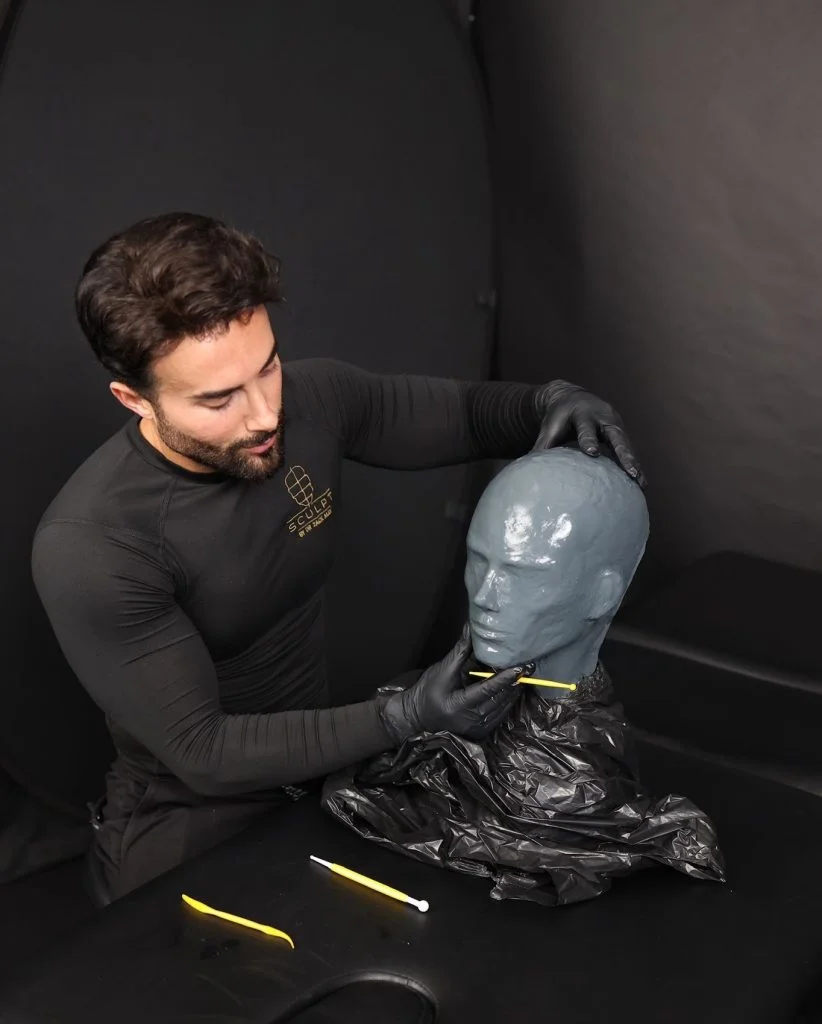
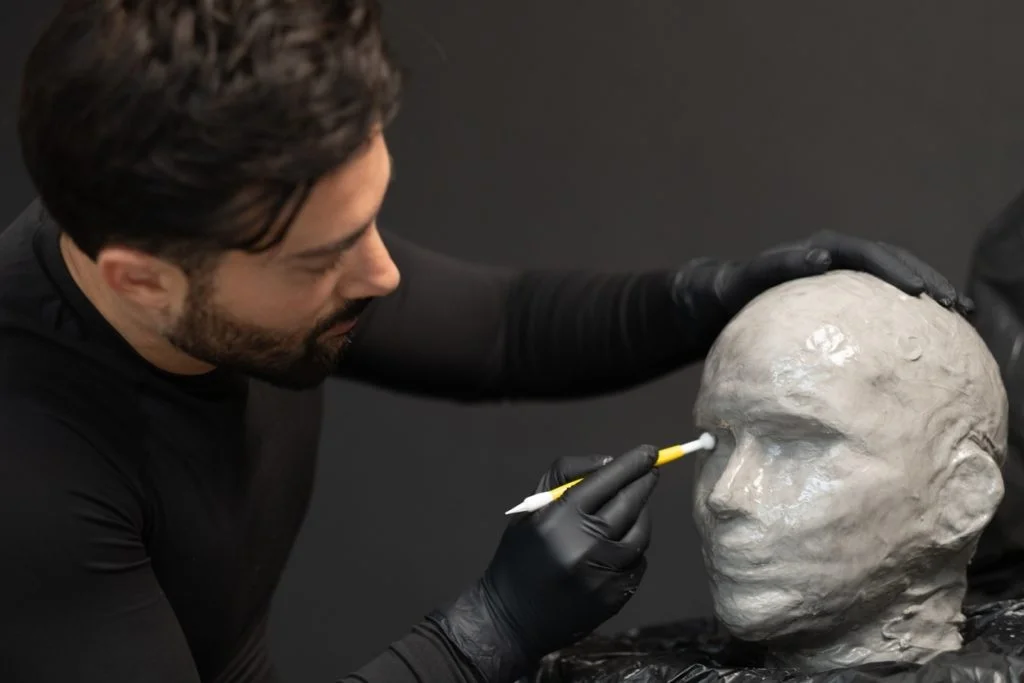
The LOOMIS Method comes from classic art training, and is typically applied through portrait drawing and clay sculpting. These practices teach artists how to deconstruct the face into planes, identify key angles, and understand how contour, depth, and shadow shape perception.
In aesthetic medicine, this artistic foundation is translated into a clinical process that involves sculptural principles, measuring instruments, geometric segmentation, and algorithms. By combining artistic understanding with clinical precision, the LOOMIS method helps practitioners appreciate the planes, angles, and contours that define facial structure, leading to harmonious results.
How does the LOOMIS Method Work for Aesthetics?
Geometric Algorithms
The LOOMIS Method divides the face into segments relevant to anatomy. For each area, geometric algorithms guide injectors in evaluating angles, contours, structures, proportions, and treatment implications. This structured mapping helps create clearer and more predictable treatment plans.
Sculpting with Light, Shadows, and Contours
Using the LOOMIS Method, practitioners will learn to interpret the face according to how light interacts with structure. This includes the ability to:
- Create or enhance natural shadows
- Accentuate light reflexes along peaks and high points
- Define or refine structural planes
- Correct flat areas or any imbalance
- Maintain natural transitions between facial zones
Identifying Transition Zones
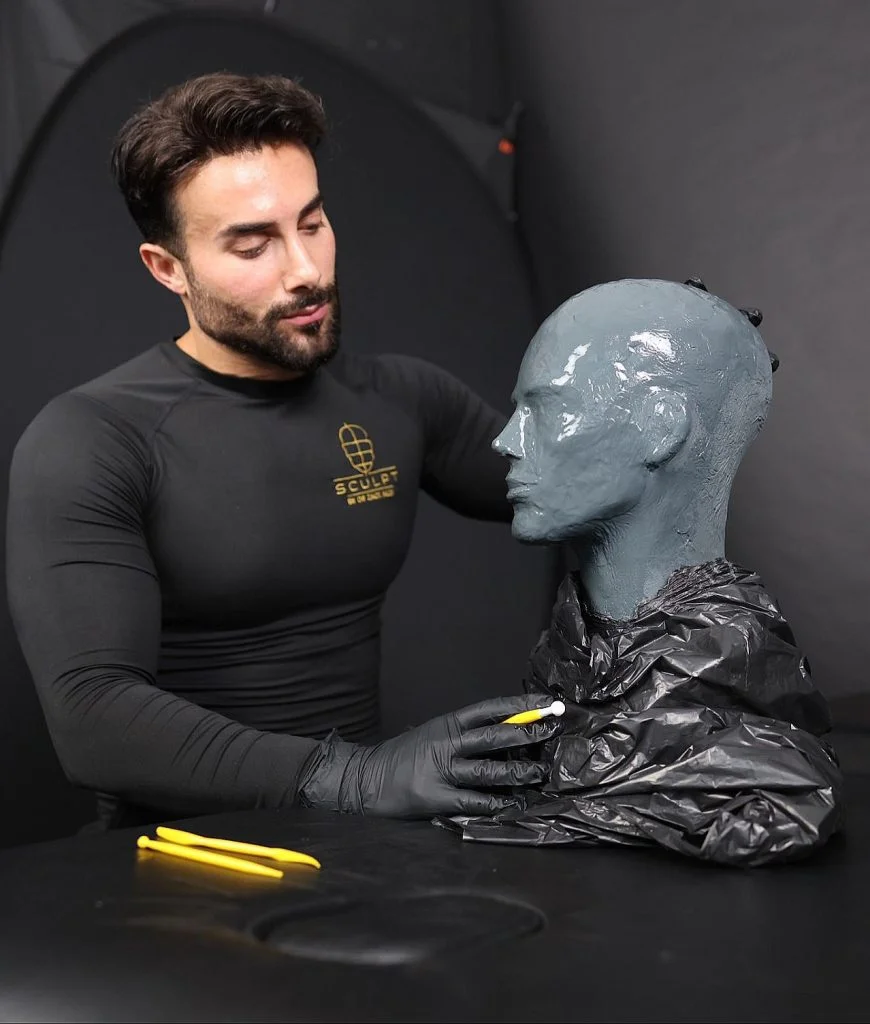
Transition zones, which are the areas where one anatomical plane shifts into another, are critical for natural results. The LOOMIS Method helps practitioners to identify where transitions begin and end, how to smooth or refine where they meet, and how to avoid harsh lines or sudden changes in volume. Correct management of transition zones prevents patients from looking “over-treated” and maintains facial harmony.
Structured Assessment
One of the best parts of the LOOMIS Method is how it can be repeated and used for all types of patients. It gives injectors a logical and reliable checklist that they can apply to every face, every time, regardless of age, ethnicity, or gender. This removes any guesswork and helps to support safe and consistent patient outcomes.
Why the LOOMIS Method Matters in Aesthetics
The aesthetic landscape is becoming more sophisticated, with patients expecting subtle, natural, and tailored results. The LOOMIS Method enables practitioners to:
- Understand structure beneath the skin
- Visualise results before treating
- Grow anatomical and artistic confidence
- Produce refined and harmonious results
- Avoid overfilling or disproportionate enhancements
For injectors looking to differentiate their clinic and techniques, the LOOMIS Method offers a unique and competitive advantage.
The LOOMIS Method with Dr Zack Ally
In the Facial Sculpting Masterclass, the LOOMIS Method is a core module taught by Dr Zack. Through hands-on learning, practitioners will learn how to apply sculptural logic to aesthetic assessment, use measuring and geometric tools, design treatment plans, and more. The masterclass allows injectors to move from treating individual concerns to creating cohesive, anatomy-driven treatment strategies.
Enhance Your Skills With the LOOMIS Method
The LOOMIS Method is more than just a technique, it is a mindset that helps injectors design and analyse the face with depth and precision. As subtlety and structure becomes increasingly important in aesthetic medicine, this approach offers a powerful way to create refined results.
For practitioners who want to learn the LOOMIS Method directly from the renowned Dr Zack Ally, we have released new dates for the Facial Sculpting Masterclass in 2026. Spots are filling quickly – click here to secure your spot today!
Limited spaces available
Secure Your 2026 Training Spot
The Facial Sculpting Masterclass is in high demand and has limited group numbers to maximise hands-on learning and intimate training for advanced practitioners. The Loomis Method is just one module you will learn.
Available 2026 dates:
- 16 January
- 11 February
- 25 March
Loomis Method: Frequently Asked Questions
The method is more suited to advanced injectors who already have a deep foundation of aesthetic knowledge. The LOOMIS Method enhances structural understanding, artistic reasoning and facial analysis, making it ideal for practitioners ready to elevate their techniques.
No, it complements anatomy. While anatomy explains underlying structures, the LOOMIS Method teaches injectors how facial structures translate visually considering light, shadows and contours.
Yes. Because the method uses objective geometry and visual analysis, it applies to all facial types, including all ages, genders and ethnicities. It improves accuracy and assessment regardless of age, structure or aesthetic indication.
Yes. The LOOMIS Method is one of the core components of Dr Zack’s masterclass. Delegates learn through live demonstrations, portrait drawing techniques, geometric mapping, facial evaluation, and practical application.