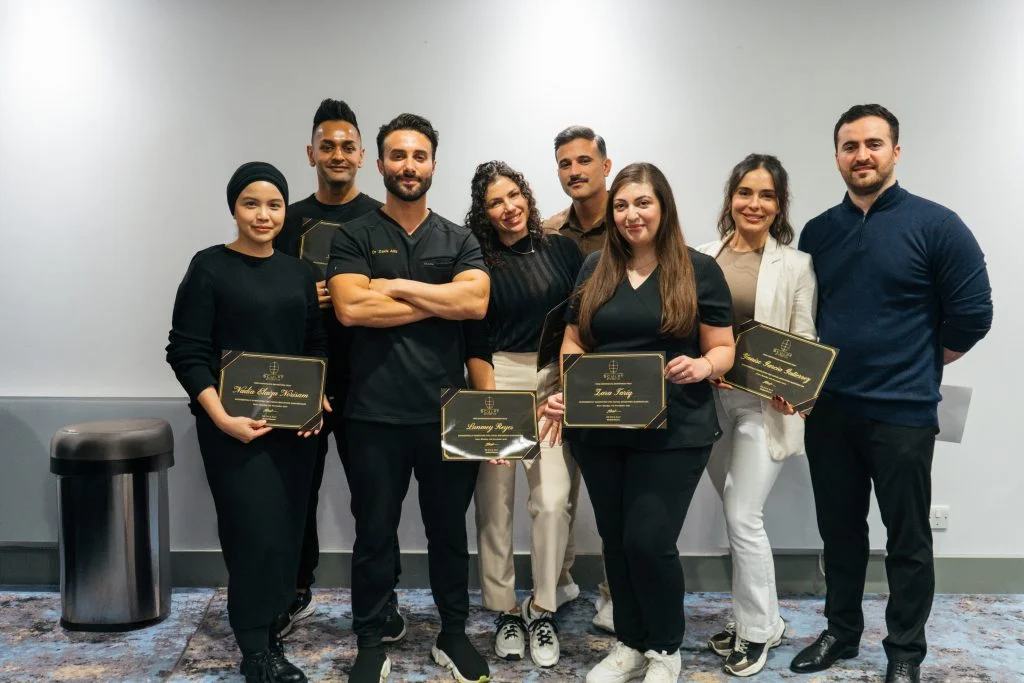
For advanced aesthetics practitioners looking to elevate their skills and stand out in a competitive industry, high-level training is essential. Dr Zack Ally’s Facial Sculpting Masterclass is recognised amongst injectors across the world as one of the most advanced courses in facial aesthetics.
We have released new masterclass dates for 2026: 16th January, 11th February, and 25th March. With limited places available, early registration is highly recommended for those who are committed to advancing their techniques.
What You Will Learn in the Facial Sculpting Masterclass
This masterclass is built around six advanced modules that combine artistic principles, scientific precision and modern AI-driven analysis. Each module is designed to build on the last, guiding practitioners through a structured learning pathway that strengthens assessment, enhances technical accuracy, and elevates aesthetic outcomes.
Across these modules, delegates develop a deep understanding of proportion, balance, anatomy and personalised treatment design. From sculptural foundations to ethical dosing and AI-enhanced planning, the curriculum provides a complete framework for truly advanced facial artistry.
Below is an overview of the core modules included in the Facial Sculpting Masterclass:
The LOOMIS Method
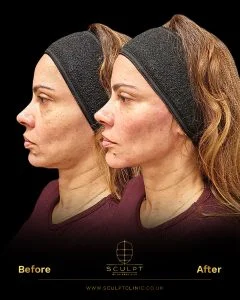
The LOOMIS Method introduces delegates to advanced sculptural principles used in facial artistry. This includes the application of classical sculpture techniques to the human face using measuring and sculpting tools.
Through geometrical algorithms assigned to each facial segment, practitioners learn how to:
- create shadows and contours
- enhance light reflexes
- identify and treat transition zones
- achieve natural, balanced facial definition
This method brings scientific structure and artistic clarity to facial optimisation.
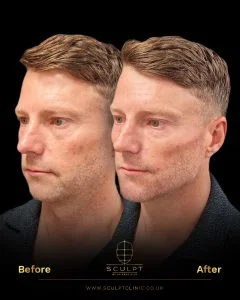
Scientific Artistry & Facial Balancing
This section explores how to integrate clinical safety with artistic precision across the upper, mid and lower face. Delegates deepen their understanding of ethnic variation, sexual dimorphism and how these factors influence beauty, balance and treatment strategy.
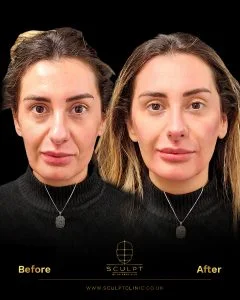
Understanding Facial Proportions
Modern aesthetic assessment requires more than intuition. Practitioners will learn:
- how artificial intelligence enhances proportion assessment
- how to objectively calculate and evaluate facial attractiveness
- how to apply proportion theories to real-world patient planning
This part of the masterclass helps practitioners make decisions about their patients needs, and what will work best for their individual proportions.
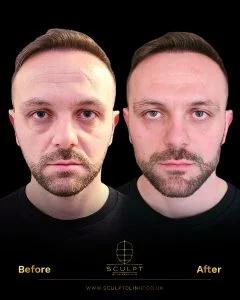
Geometric Harmony
Not all faces require the same approach. In this module, practitioners learn how individual treatments must be approached and adapted to each face harmoniously. This ensures personalised planning that respects each patient’s unique features.
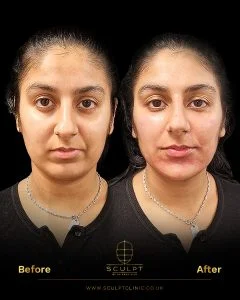
Quantity vs Suitability
Achieving natural results relies on product suitability, not volume. Practitioners learn to:
- differentiate between patient needs and patient wants
- determine where, when and how much product to use
- execute ethical, precisely dosed treatment plans
- master patient selection for successful outcomes
Considering quantity vs suitability builds long-term patient trust and safe, sustainable practice.
AI in Aesthetics
AI is rapidly transforming aesthetic medicine, and this masterclass provides a structured introduction to its most impactful applications. Delegates will learn how to globally approach all four patient categories using AI:
This section will focus on in-depth facial analysis, sexual diamorphism, aesthetic simulation and improved precision and safety using AI.
The Injector Handbook
Delegates can deepen their learning with Dr Zack’s Injector Handbook, designed to complement the Facial Sculpting Masterclass. The handbook covers advanced facial classification and the application of facial proportions in injection techniques. It also offers tailored treatment strategies for the four key patient types.
Limited spaces available
Secure Your 2026 Training Spot
The Facial Sculpting Masterclass is in high demand and has limited group numbers to maximise hands-on learning and intimate training for advanced practitioners.
Available 2026 dates:
- 16 January
- 11 February
- 25 March