
Anti-Wrinkle Injections and dermal fillers are two of the most popular aesthetic treatments. However, sometimes they are misunderstood or confused. Both Anti-Wrinkle Injections and dermal fillers are injectable treatments designed to rejuvenate the face, but they work in different ways and address different concerns. While Anti-Wrinkle Injections relax muscles to smooth out expression lines (such as forehead wrinkles), Dermal Fillers add volume to plump deep folds and restore lost contours (such as the lips and cheeks). Essentially, anti-wrinkle injections quiet the muscle, while fillers fill the gap.
Understanding the differences between them is important when deciding which treatment best fits your needs.
Understanding Facial Ageing
Facial ageing results from a combination of factors: repetitive muscle movements, loss of collagen and fat, changes in bone structure, and skin thinning. As a result, the face develops both dynamic wrinkles (caused by movement) and static lines or volume loss (visible even at rest).
Anti-Wrinkle Injections and dermal fillers target these changes in different ways.
What Are Anti-Wrinkle Injections?
Anti-wrinkle injections do not add volume or fill lines directly. Their role is to reduce muscle activity that contributes to the formation of wrinkles.
Anti-wrinkle injections work by temporarily relaxing targeted facial muscles. By blocking nerve signals to muscles in the treated areas, they reduce excessive movement that causes skin creasing, allowing lines and wrinkles to soften over time.
What is Anti-Wrinkle Injections treatment?
Anti-wrinkle injections are among the most widely performed non-surgical aesthetic treatments worldwide, with millions of procedures carried out each year. Their popularity continues to grow because the treatment is quick, safe, and minimally invasive.
Appointments typically take only a few minutes, require no downtime, and involve little to no discomfort. When administered by a qualified medical professional, the treatment has a long-established safety profile. The result is a subtle, refreshed appearance without surgery or extended recovery.
What is Anti-Wrinkle Injections best for?
Anti-Wrinkle Injections is most effective for dynamic lines caused by repeated facial movement and expression, including:
- Forehead lines
- Frown lines between the eyebrows
- Crow’s feet around the eyes
- Lines caused by facial expression and movement
Additional Areas That Can Be Treated
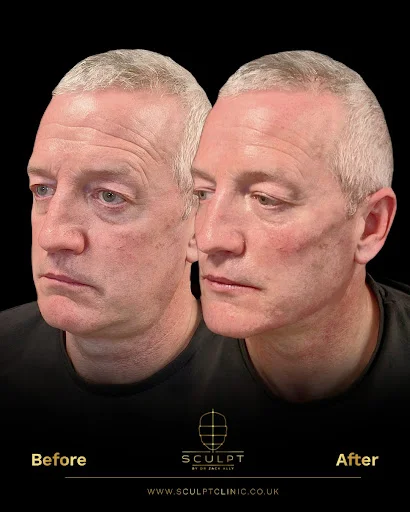
In experienced hands, Anti-Wrinkle Injections can also be used to address:
- Bunny lines across the nose
- Gummy smile
- Platysmal (neck) bands
- Downturned corners of the mouth
What Results Can You Expect?
Anti-Wrinkle Injections works gradually to relax targeted muscles and soften expression lines.
- Initial changes can be noticed within a few days
- Full results typically develop within 10–14 days
- Results generally last between 3–6 months, depending on individual factors
Regular maintenance treatments can help preserve a consistently smooth, natural appearance.
What are Dermal Fillers?
Dermal fillers have also become a very popular non-surgical aesthetic treatment. They allow practitioners to enhance, balance and sculpt the face in minutes, with minimal to no downtime.
Dermal fillers are injectable gels made from hyaluronic acid, a substance naturally found in the skin that helps maintain hydration, volume and elasticity. Fillers are available in 1ml syringes with different densities, each selected based on the area treated and the desired results.
Dermal fillers can be used in individual areas or combined across multiple regions of the face to achieve a harmonious, balanced and rejuvenated appearance.
What are dermal fillers best for?
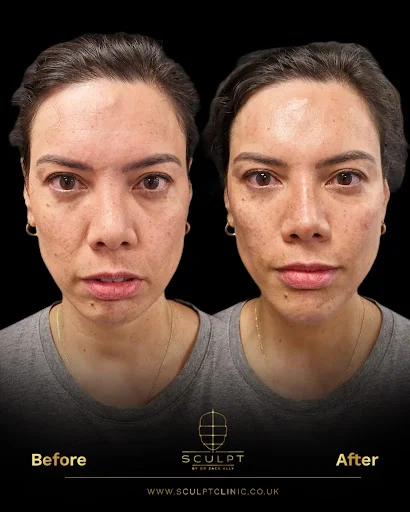
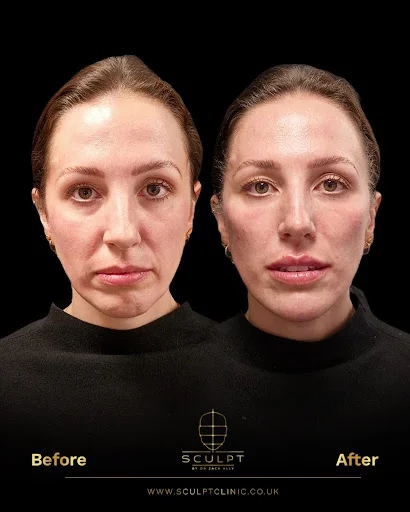
Dermal fillers are designed to restore structure, replace lost volume, and refine facial contours without surgery.
- Restoring lost facial volume
- Enhancing and defining facial contours
- Smoothing deeper static lines and folds
Common Treatment Areas
Dermal fillers can be used to restore structure and enhance definition in areas such as:
- Temples
- Brows and supraorbital hollows
- Tear troughs
- Cheeks and midface
- Nose (non-surgical rhinoplasty)
- Nasolabial folds
- Marionette lines
- Lips
- Chin and jawline
What to Expect After Treatment
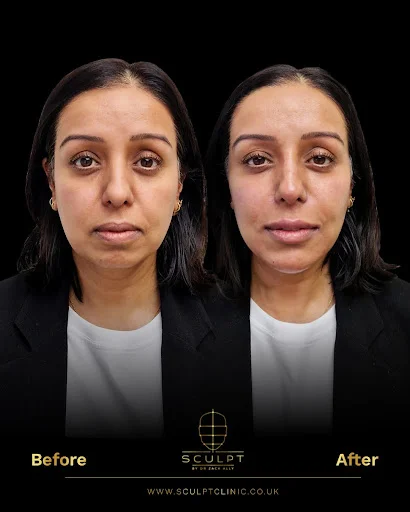
- Results are often visible immediately
- Final results become more apparent as any swelling settles
- Effects typically last 12–18 months, depending on the treatment area and individual factors such as lifestyle and genetics
Can Anti-Wrinkle Injections and Dermal Fillers Be Used Together?
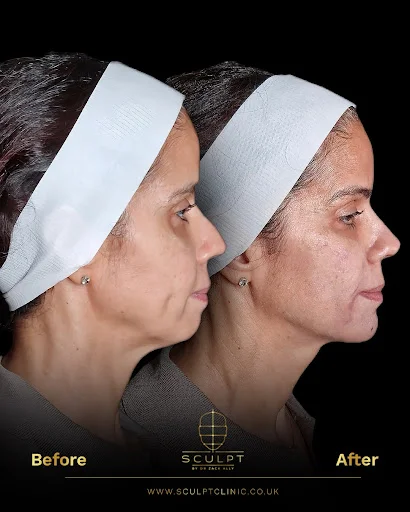
Absolutely. In fact, many patients achieve the best results through a combined approach. While anti-wrinkle injections soften expression lines caused by facial movement, dermal fillers restore lost volume and improve overall facial balance. When used together appropriately, these treatments beautifully complement one another, ensuring a rejuvenated look without the risk of appearing ‘overtreated’.
Ultimately, anti-wrinkle injections and dermal fillers are complementary aesthetic tools, not interchangeable. The ideal option for you will depend on your specific concerns, your unique facial anatomy, and your personal goals. This is why a professional assessment is essential to determine the most suitable approach and to ensure your results are safe, natural, and effective.
Find the right treatment for your goals
Considering Anti-Wrinkle Injections or Dermal Fillers?
If you're not sure whether Anti-Wrinkle Injections, dermal fillers, or a combination of both is right for you, a personalised 1:1 consultation is the best place to start.
Book Your Consultation